Hendrick Sin Attends the Wuzhen Summit: From Going Global to Growing Together — Exploring the Cultural Power of Games in Connecting the World
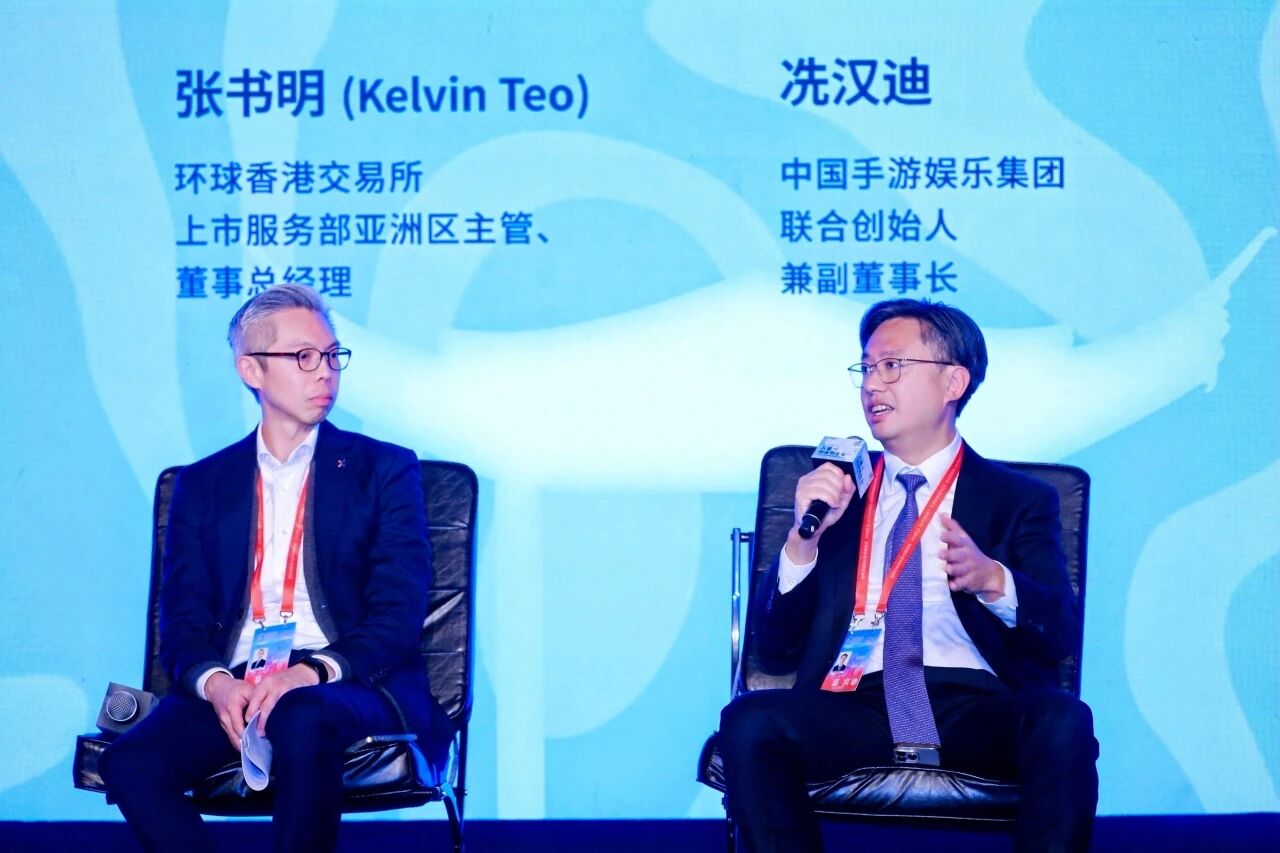
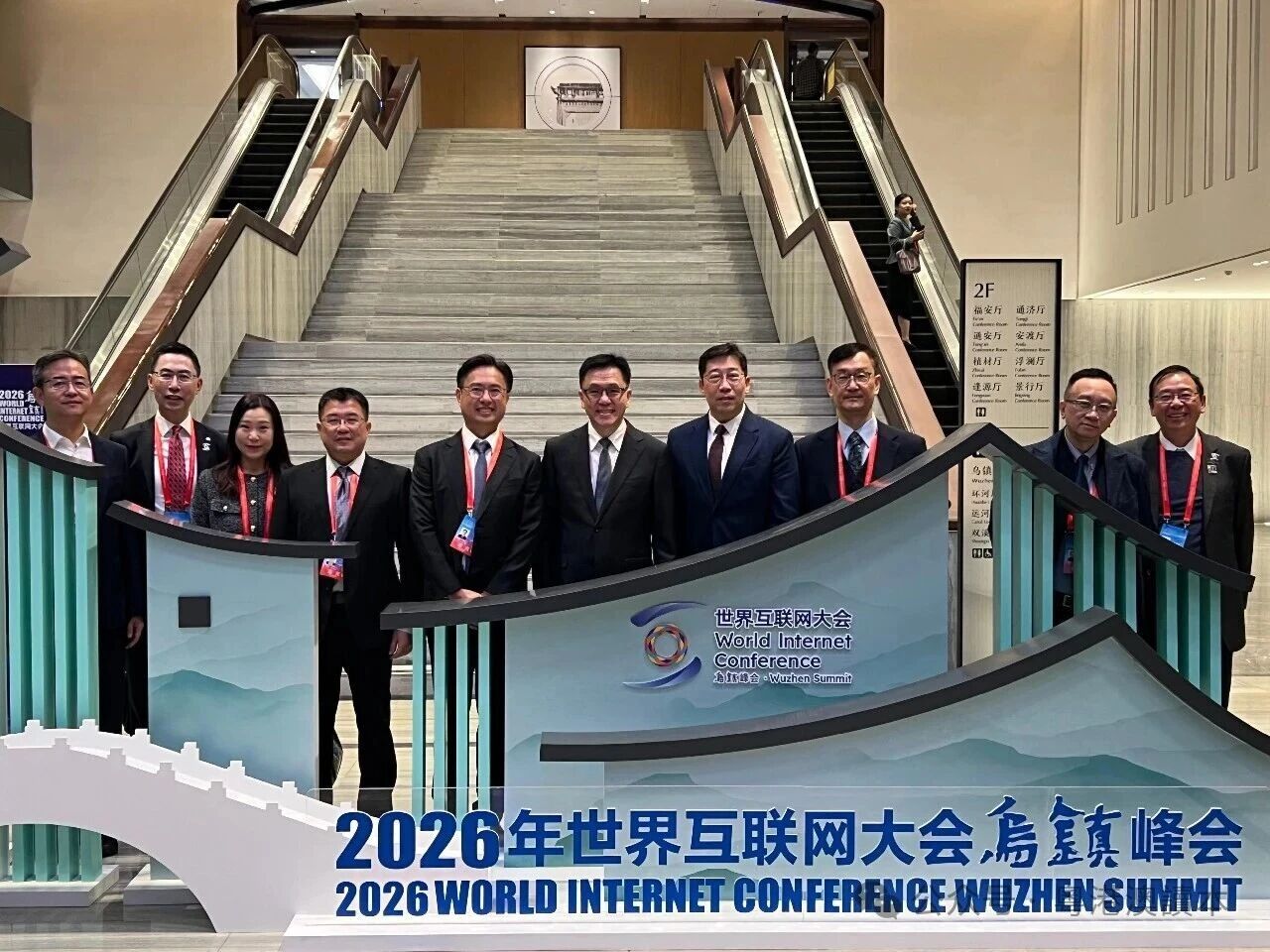
The 2026 World Internet Conference Wuzhen Summit was held from November 2 to 5. During the summit, Hendrick Sin, Deputy to the National People's Congress from the Hong Kong SAR and Co-founder of CMGE, took part in the Cross-Strait, Hong Kong and Macao Internet Development Forum and the Patient Capital salon “Night Talk in the Water Town”, sharing his thoughts on bringing game culture to global audiences, industry collaboration across the Taiwan Strait, Hong Kong and Macao, and the long-term global operations of Chinese enterprises.
How can overseas players move from simply “playing the game” toward “wanting to understand the culture behind it”? And how can classic IPs respond to the expectations of users across generations?Around these questions, Hendrick Sin shared his thinking on product experience, cultural understanding, and localized operations.
Building on Product Experience to Weave Culture into the Story
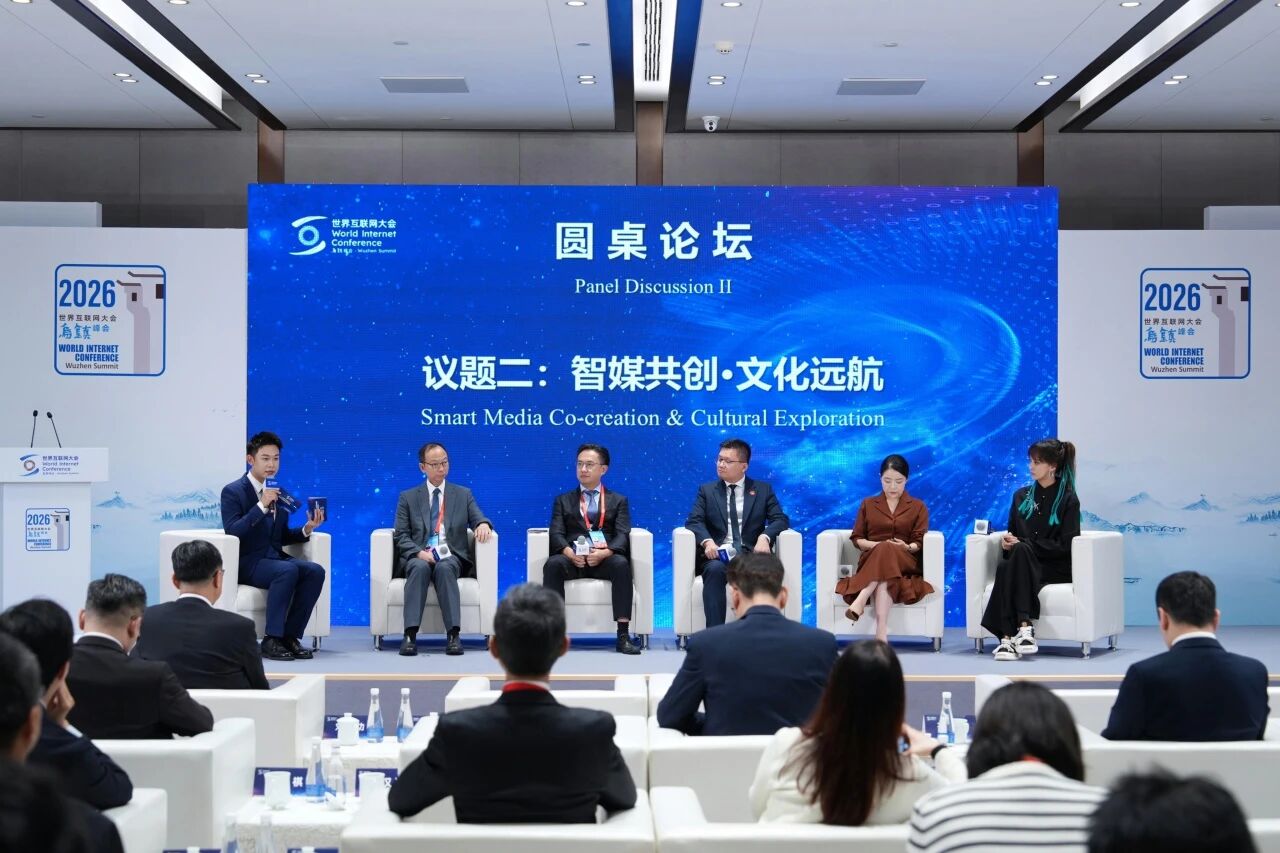
At the Cross-Strait, Hong Kong and Macao Internet Development Forum, under the theme “Co-creating Smart Media, Sailing Culture Afar”, Hendrick Sin shared his observations on bringing game culture to the world.
Games carry cultural expression, and this first calls for attention to gameplay and content quality. Cultural elements such as architecture, music, and folk customs can blend naturally with scenes, characters, and narrative, letting players appreciate their depth as they explore the world and take part in the story — an entry point for learning more about the culture behind them.
Different forms of content can also create more opportunities for users to encounter a work. Take the Sword and Fairy IP: games, TV dramas, animation, and novels allow users of different generations to come to know its characters and stories through whichever medium they know best. Whatever the form, it is essential to respect what the original works have built up and to polish content quality with care.
Cultural exchange also depends on respect for differences. Content involving history, folk customs, or religion requires solid research, and serving different markets calls for an understanding of local laws, rules, and cultural practices.
“Localization is not about grinding away the edges of a culture, but about finding a way of dialogue on equal footing,” Hendrick Sin said.Taking culture overseas is also a process of making friends — understanding others, while giving them the chance to get to know us.
Leveraging Hong Kong's Strengths: From Market Connector to Content Co-creation
On cooperation between the two sides of the strait, Hong Kong and Macao in the “culture + games” field, Hendrick Sin shared his view of Hong Kong's role at two levels: market connection and content co-creation. Hong Kong can play its part as a “super-connector”, while also owning unique resources for co-creating content.
With its professional services, bilingual talent, and international distribution networks, Hong Kong can support enterprises in understanding overseas markets and pursuing cross-regional cooperation. Its long accumulation of cinema, popular culture, and urban landscapes also provides rich material for game creation.
From kung fu films and crime thrillers to cha chaan tengs, neon-lit streets, Victoria Harbour, and Lion Rock, these distinctive cultural elements carry the memories of many, and can inspire game scene design, character building, and storytelling.
The Chinese mainland boasts rich cultural resources, a vast market, and industrial-scale R&D and production capabilities; Hong Kong brings together international capital, talent, and channels, along with unique experience in cultural creation; Macao offers a platform where Chinese and Western cultures meet and close ties with Portuguese-speaking countries; and Taiwan has deep accumulated strength in game development and creativity.
Across the Taiwan Strait, Hong Kong and Macao, we share the same cultural roots, each with our own strengths. Advancing talent exchange, creative collaboration, and complementary resources through concrete projects can open up more possibilities for the digital expression and global reach of Chinese culture.
From Overseas Distribution to Long-Term Operations: Bringing Local Feedback into Decision-Making
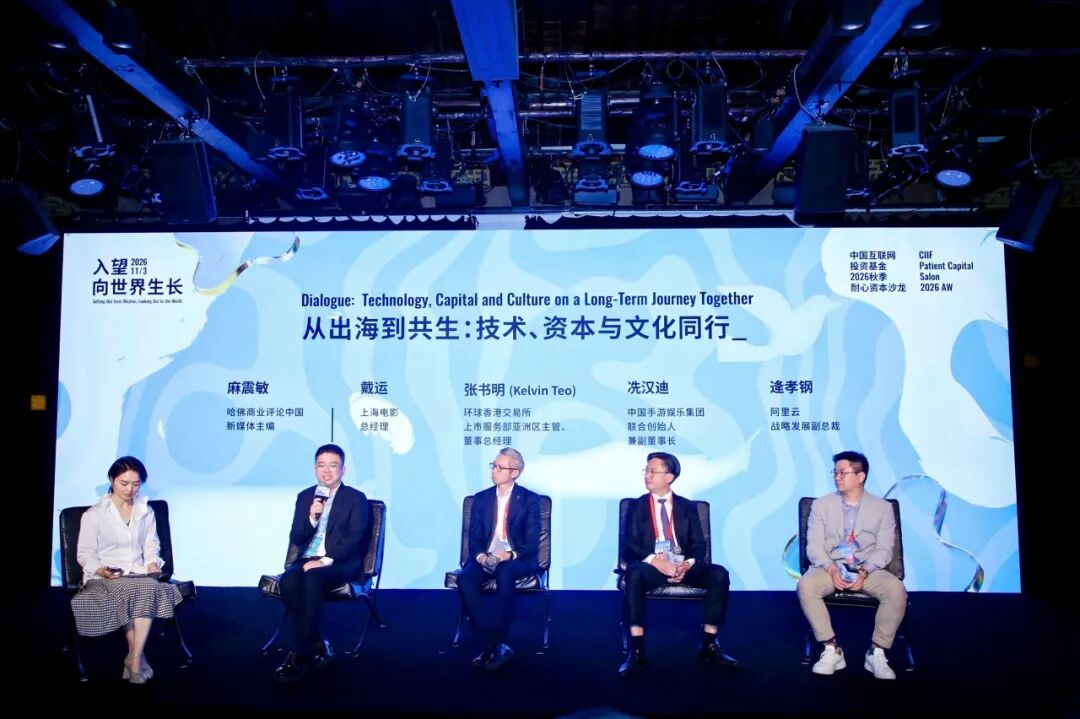
At the Patient Capital salon “Night Talk in the Water Town”, themed “From Going Global to Growing Together: The Long Journey of Technology, Capital, and Culture”, Hendrick Sin shared his understanding of localized operations.
Once a product enters an overseas market, localized operations are still needed to keep understanding and serving local players. This capability is reflected at three levels.
First, cultural translation and emotional empathy. Beyond language conversion, it takes an understanding of the living context and modes of expression of different markets, so that a product's narrative is easier to grasp and more likely to resonate — together with sound content adaptation and compliance.
Second, the localized cultivation of player communities. Long-term operations depend on player communities with a sense of belonging, and that sense of belonging can only be built step by step through day-after-day localized communication and care.
More importantly, local feedback must enter decision-making. Through effective communication mechanisms, the observations of local teams and the views of players are brought into product iteration and operations, serving as a key reference for content optimization and service improvement.
R&D pipelines, technology middle platforms, and tools can be reused across markets, but local community relationships, partnerships, and user trust must be built gradually through actual operations. Fundamentals such as translation quality, legal and data compliance, and protection of minors also deserve serious attention.
Long-term operations also require enterprises to allocate resources in line with their own capabilities and business stage, balancing operational efficiency with service quality, so that long-term goals take root in daily work.
Cherishing Classic Legacies and Answering Users' Expectations with Works
How a classic IP preserves its spiritual core while offering new users an engaging story was another key topic of the conversation.
Since its debut in 1995, Sword and Fairy has spanned thirty-one years. Across the series, its characters and stories keep expanding, while bonds and promises, growth and its costs, and humanity's struggle against fate remain the emotional themes running through it. On the heritage and renewal of a classic IP, Hendrick Sin said it is vital to cherish these emotional cores while exploring new stories and forms of expression, so that users of every generation can find resonance.
This means understanding the emotional memories long-time players treasure, while helping new users come to know the characters and step into the story. How to write new content well on the foundation of that spiritual core is a question classic IP development must keep facing. A classic legacy provides the creative foundation, but new recognition must still be earned work by work.
In overseas markets, whether local users are willing to keep discussing and creating around a work, and whether this sparks an interest in the culture behind it, are also important measures of the bond between a product and its users.
For example, when local players weave their own life experiences, humor, and emotions into fan creations and discussions, or actively look into the literature, history, and art a work draws on, these are signs of cultural exchange deepening step by step. Such feedback also helps enterprises understand which expressions found resonance and where improvement is still needed.
Moving from “going out” to “going deep” takes solid content creation, and equally sustained user communication and exchange on equal footing. We look forward to more industry peers joining hands in this exploration — bringing Chinese stories closer to overseas users, and making games a bridge for deeper cultural understanding.